Should you put a cut Christmas tree in water
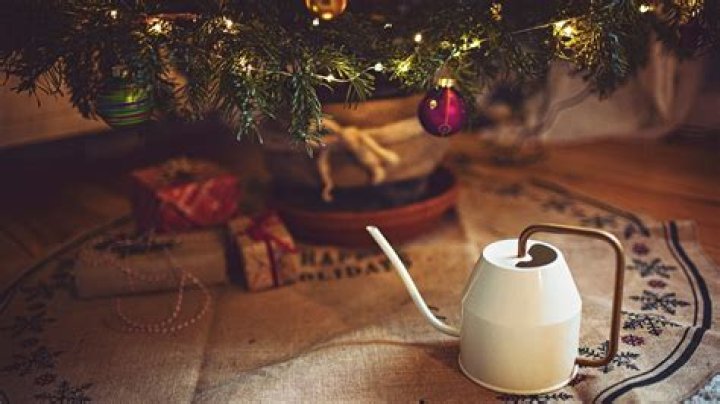
Most experts agree that plenty of clean water is all you need to keep a tree fresh. Just remember to check the water level daily — it should always cover the cut end of the trunk. Refill as needed.
How long after you cut a Christmas tree should you put it in water?
Give it water Most species of Christmas trees can go without water for as long as 6-8 hours after a fresh cut. Just make sure the surface remains clean and the cut end is not damaged by banging it against the ground.
Should I give my Christmas tree sugar water?
A fresh tree can use up to 1 quart of water per day for each inch of diameter on the cut end. … Do not add sugar, aspirin, bleach or floral preservatives to the water; plain tap water is all that is needed to keep your tree fresh.
How do you keep a cut Christmas tree fresh?
The key to maintaining a fresh Christmas tree is to keep the bottom 2 inches of the trunk immersed in water, even if that means refilling the stand every day. Keep your tree hydrated and reduce needle drop by adding 1 capful of Miracle-Gro® for Christmas Trees for every quart of water added to your tree stand.What do you do if your Christmas tree doesn't drink water?
If you aren’t ready to bring the Christmas tree indoors, place it in a bucket of cool water and store it in a cool, shady place. Storage should be limited to two days. Don’t worry if your tree doesn’t absorb water for a few days; a freshly cut tree often won’t take up water immediately.
Does spraying a Christmas tree with water help?
Place your Christmas tree outside in a bucket filled with water for 1-2 days. … Spraying your tree daily will reduce the dryness, prevent excessive amounts of needles from falling off, and make the tree more resistant against fire and flames.
Can you give a Christmas tree too much water?
Make sure your Christmas tree always has enough water. Don’t forget to regularly give your Christmas tree water — too little can cause resin to form, which means the tree won’t absorb water and it will dry out quickly.
What do you put in the water for a cut Christmas tree?
There is some debate about whether adding any kind of mixture to the water helps keep a tree fresher longer. Tchukki Anderson, a staff arborist for the Tree Care Industry Association, says many people have had success by mixing a tablespoon of sugar or corn syrup in the water.How do you water a Christmas tree for the first time?
Cover it to keep it cool and moist. When you’re ready to place it in a stand, cut one inch or more off the trunk. This will open the capillaries, which allow the tree to draw moisture up the trunk and into the needles. Check your stand twice daily – especially in the first week – and add water as necessary.
How do you revive a dying Christmas tree?Reviving a Christmas tree is as simple as giving it more water. The more water you give to the tree, the longer it will last, just like cut flowers. It is important to ensure that the tree has enough water and is protected from extreme heat to prevent the needles from drying out.
Article first time published onHow much water should a Christmas tree drink?
The average Christmas tree can use as much as 1 gallon (3.79 liters) of water a day, and you should check the water level daily. The general rule of thumb, according to the National Christmas Tree Association, is that one quart (0.95 liters) of water is required for each inch (2.54 cm) of the trunk’s diameter.
Do you put hot water in a Christmas tree?
After you put up your Christmas tree, fill the tree stand reservoir with boiling water, says Phil Eichler of the Urban Gardener in Chicago. The hot water liquefies sap that has hardened at the base of the trunk since the tree was cut and frees up its circulatory system, he says.
How do you know when a Christmas tree is dying?
To test the tree, run a branch through your hand. If the needles fall off or if the branch seems brittle, move on-the tree is already too dry. Other signs of a dry or deteriorating tree include wrinkled bark, discolored needles, and a musty odor.
Do Christmas tree needles grow back?
The vast majority of conifers do not regenerate on dead parts, they simply continue to grow at the tips and top of the plant. Your tree has bare branches at the base and it will remain that way – planted outside in a garden, the bare parts wouldn’t be noticeable as the tree got larger, but they’d still be there.
Is cold water bad for Christmas tree?
Before you go pouring boiling water into the base, let it sit for five minutes. The idea is the sap won’t get hard and the water can go up the bark thus keeping it fresh and it won’t dry out. Cold water clogs the openings with sap and your tree will die quicker.
Do I water my Christmas tree with hot or cold water?
You only have to use hot water the first time. From then on, always keep the reservoir filled with cool water. Bottom line – don’t ever let the water go empty, and your tree should last through the holidays!
Should you water a Christmas tree with warm or cold water?
Should I use warm or cold water for my Christmas tree? Water is water! Cut trees will soak up as much H2O water they can get, so no need to worry about fiddling with the water temperature. They aren’t picky.
How long do Christmas trees last?
A healthy, fresh-cut Christmas tree will last for four to five weeks if properly cared for. If you’re itching to put up your holiday decorations earlier, start with non-living decorations whenever you like, and finish off with fresh greenery and your Christmas tree around the first of December.
Will a cut Christmas tree survive outside?
Once a tree is cut from the root ball, it can no longer be planted outside, so make sure that the trunk and the root ball of the Christmas tree remain undamaged. Consider buying a smaller tree as well. A smaller tree will go through the transition from outdoors to indoors to outdoors again.
Is a pine tree dead when it turns brown?
The tree often turns totally brown and dies rapidly in the fall, but it may not be noticed until spring. … The most common cause of brown pine needles occurs in the fall and is normal. Pines shed older needles similarly to other trees’ fall foliage drop. The needle drop may be impressive in a large healthy tree.