What did the Bill of Rights protect against quizlet
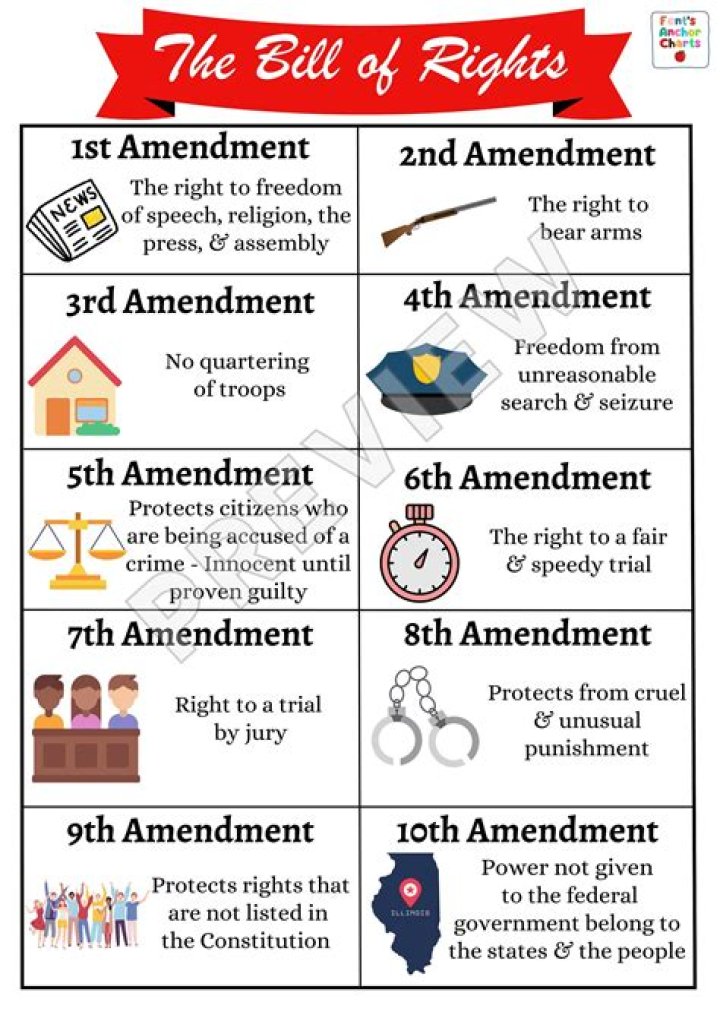
It protects five of the most basic liberties. They are freedom of religion, freedom of speech, freedom of the press, freedom of assembly, and freedom to petition the government to right wrongs.
What did the Bill of Rights protect against?
The amendments, known as the Bill of Rights, were designed to protect the basic rights of U.S. citizens, guaranteeing the freedom of speech, press, assembly, and exercise of religion; the right to fair legal procedure and to bear arms; and that powers not delegated to the federal government were reserved for the states …
What was the purpose of the Bill of Rights quizlet?
The bill of rights serves to protect citizens from excess government power. What is the Purpose of The Bill of Rights? It achieves this by ensuring there is separation of powers between different government branches, the judicial, executive, and the legislative.
Who does the Bill of Rights protect us against quizlet?
The bill of rights (The first 10 Amendments) offers protections against the abuse of power(tyranny) by the government.What is the Bill of Rights quizlet?
The Bill of Rights is the first ten amendments to the US Constitution. They define our most basic rights as US citizens. … The addition of the Bill of Rights ensured that states such as New York and Virginia would ratify the Constitution.
Which of the following rights is protected by the Bill of Rights quizlet?
The most important part of the Bill of Rights. It protects five of the most basic liberties. They are freedom of religion, freedom of speech, freedom of the press, freedom of assembly, and freedom to petition the government to right wrongs.
Why did Alexander Hamilton oppose the Bill of Rights?
Hamilton didn’t support the addition of a Bill of Rights because he believed that the Constitution wasn’t written to limit the people. It listed the powers of the government and left all that remained to the states and the people.
What was one of the rights named in the bill of rights quizlet?
Guarantees the freedom of religion, speech, press, assembly and the right to petition government.Which part of the Bill of Rights protects freedom of speech and freedom of religion quizlet?
First Amendment: The first of ten amendments to the constitution of the United States, which protects freedom of religion, speech, assembly, and the press.
Why was a Bill of Rights so important to some anti-federalists quizlet?They believed that a bill of rights was essential to protect the people from the federal government. The Anti-Federalists did not want a powerful national government taking away those rights. The lack of a bill of rights became the focus of the Anti-Federalist campaign against ratification.
Article first time published onWhy did Americans want the Bill of Rights quizlet?
The Bill of Right was added to the Constitution because many people feared that some states some states might oppose to the Constitution without it and so, James Madison propose a list of amendments that were about individual rights. Why did Americans want to ensure that accused persons had the right to trial by jury?
Why is the bill of rights important?
The Bill of Rights is the first 10 amendments to the U.S. Constitution. These amendments guarantee essential rights and civil liberties, such as the freedom of religion, the right to free speech, the right to bear arms, trial by jury, and more, as well as reserving rights to the people and the states.
What were the arguments for and against the Bill of Rights?
Antifederalists argued that a bill of rights was necessary because, the supremacy clause in combination with the necessary and proper and general welfare clauses would allow implied powers that could endanger rights. Federalists rejected the proposition that a bill of rights was needed.
Who was opposed to the Bill of Rights?
The Federalists opposed including a bill of rights on the ground that it was unnecessary. The Anti-Federalists, who were afraid of a strong centralized government, refused to support the Constitution without one. In the end, popular sentiment was decisive.
Why was the Bill of Rights rejected at first?
In the final days of the Constitutional Convention, as delegates rushed to complete work on the final draft of the Constitution, George Mason of Virginia and Elbridge Gerry of Massachusetts proposed that the Constitution be “prefaced with a bill of rights.” On September 12, 1787, after little debate, the proposal was …
How does the Bill of Rights protect the rights of citizens?
It spells out Americans’ rights in relation to their government. … It guarantees civil rights and liberties to the individual—like freedom of speech, press, and religion. It sets rules for due process of law and reserves all powers not delegated to the Federal Government to the people or the States.
What four rights are protected by the Sixth Amendment quizlet?
What four basic rights are protected by the Sixth Amendment? Speedy Trial, Public Trial, Impartial Jury, Right to Council.
What are the 5 basic rights protected in the Bill of Rights?
The five freedoms it protects: speech, religion, press, assembly, and the right to petition the government. Together, these five guaranteed freedoms make the people of the United States of America the freest in the world.
What actions are protected by the freedom of speech quizlet?
If there is no state action in the case (the censorship was by a private entity), the First Amendment does not apply. Most protected is political speech. Commercial speech has less protection. Obscenity, false and misleading (deceptive) advertising, true threats and fighting words are not protected at all.
Which of the following freedoms or rights are protected by the First Amendment quizlet?
The basic rights protected by the First Amendment were freedom of religion, freedom of press, freedom of speech, freedom of assembly, and the right to petition.
Which amendment in the Bill of Rights allows for these protests quizlet?
First Amendment: Freedom of Speech and Religion.
How did the Bill of Rights come about quizlet?
“The first 10 amendments to the Constitution make up the Bill of Rights. Written by James Madison in response to calls from several states for greater constitutional protection for individual liberties, the Bill of Rights lists specific prohibitions on governmental power.
What are the Bill of Rights Amendments quizlet?
- Amendment 1. Freedom of speech, press, religion, assembly, and petition.
- Amendment 2. Right to bear arms (own guns)
- Amendment 3. Government can’t lodge troops in private homes.
- Amendment 4. Search and seizure only with a warrant from a judge.
- Amendment 5. …
- Amendment 6. …
- Amendment 7. …
- Amendment 8.
Which freedom in the Bill of Rights is most important why quizlet?
Amendment I The first amendment is the most important of the bill of rights.
What did Anti-Federalists want to protect quizlet?
The Anti-Federalists were concerned with protecting the rights of the individual people and states. … The Federalists believed that checks and balances was enough to keep the government from taking away the rights of the people.
Why was a bill of rights so important to some Anti-Federalists?
Anti-Federalists wanted to protect against a powerful central government taking away the freedoms they had fought a revolution to preserve. They believed a bill of rights needed to be added to the Constitution so that citizens would be protected against the government infringing upon rights.
What was the main objection of the Anti-Federalists quizlet?
The Antifederalists opposed the Constitution because they wanted more power to remain with the states. What was a major objection to the Constitution by the Antifederalists? They objected to the Constitution because it did not include a bill of rights.
Why was a Bill of Rights not included in the original Constitution quizlet?
Anti-Federalists held that a bill of rights was necessary to safeguard individual liberty. Federalists argued that the Constitution did not need a bill of rights, because the people and the states kept any powers not given to the federal government. … Guarantees freedom of Religion, Speech, Assembly, Petition and Press.
Why was the Bill of Rights was added to the Constitution?
Bill of Rights was added to Constitution to ensure ratification. … To ensure ratification of the document, the Federalists offered concessions, and the First Congress proposed a Bill of Rights as protection for those fearful of a strong national government.
Is the Bill of Rights necessary?
These amendments guarantee essential rights and civil liberties, such as the right to free speech and the right to bear arms, as well as reserving rights to the people and the states. … But ever since the first 10 amendments were ratified in 1791, the Bill of Rights has also been an integral part of the Constitution.
How did the Bill of Rights affect America?
They put limits on the national government’s right to control specific civil liberties and rights, many of which were already protected by some of the state constitutions. Liberties protected included freedom of speech, press, religion, and assembly (First Amendment).