What is Dexdomitor used for in dogs
PROVIDES SEDATION AND ANALGESIA, AND WORKS AS A PREANESTHETIC, FOR DOGS AND CATS. DEXDOMITOR is indicated for use as a sedative and analgesic in dogs and cats to facilitate clinical examinations, clinical procedures, minor surgical procedures and minor dental procedures.
What are the side effects of Dexdomitor?
The adverse effects of dexmedetomidine include hypotension, hypertension, nausea, bradycardia, atrial fibrillation, and hypoxia (22, 28) (Figure 4). Overdose may cause first-degree or second-degree atrioventricular block.
How long does it take for Dexdomitor to wear off in dogs?
Administration of a high dose of dexmedetomidine (20 mcg/kg [500 mcg/m2], IM) dogs results in sedative effects lasting for up to 120 minutes, with a peak effect recorded by 30 minutes after intramuscular administration; this dose of dexmedetomidine was highly effective for producing chemical restraint in dogs …
How long does it take for Dexdomitor to wear off?
The peak sedative and analgesic effects are reached within 30 minutes after administration. Sedation lasts for at least 120 minutes post administration and analgesia lasts for at least 90 minutes. Spontaneous recovery occurs within 3 hours.Does Dexdomitor have pain control?
The analgesic properties of DEXDOMITOR® (dexmedetomidine) give dogs and cats respite from mild or moderate pain associated with a procedure. By reducing discomfort, you provide compassionate care for pets in pain, and offer a better experience for you, your staff, your patients and pet owners.
What kind of drug is Dexdomitor?
Dexmedetomidine is a new generation highly selective α2-adrenergic receptor (α2-AR) agonist that is associated with sedative and analgesic sparing effects, reduced delirium and agitation, perioperative sympatholysis, cardiovascular stabilizing effects, and preservation of respiratory function.
Is Dexdomitor safe?
Dexmedetomidine (DMET) is an alpha-2 adrenoceptor agonist approved for short-term use as a sedative for mechanically ventilated patients. Alpha-2 adrenoceptor agonists exhibit sedative–hypnotic, analgesic, anxiolytic, and sympatholytic effects.
Is Dexdomitor light sensitive?
Store the syringe inside the box as the product is light sensitive. If dexmedetomidine is delivered in the mouth and not the cheek pouch, it will not absorb properly and will not be effective. If this happens, wait two hours before re-dosing. Do not feed for 15 minutes after administration.How does Dexdomitor work?
How does Dexdomitor work? Dexmedetomidine is an alpha2-adrenoceptor agonist. It works by preventing the release of the neurotransmitter noradrenaline from nerve cells in the body. Neurotransmitters are chemicals that allow nerve cells to communicate with each other.
How long does Antisedan last?The effects of atipamezole typically last two to three hours, which can be significantly shorter than the agents it is reversing; therefore, multiple doses may be indicated based on clinical signs that the animal is exhibiting (especially recurrence of significant cardiovascular signs).
Article first time published onWhat does Acepromazine do to dogs?
Acepromazine is one of the most commonly used tranquilizers for dogs and cats. It decreases anxiety, causes central nervous system depression, and a drop in blood pressure and heart rate. It may be used in conjunction with atropine as a pre-operative medication for anxiety and for its antidysrhythmic effects.
What happens if you give ANTISEDAN IV?
Atipamezole administered IV may result in rapid relaxation of vascular tone, which coupled with bradycardia could result in cardiovascular collapse.
Is Dexdomitor given IM?
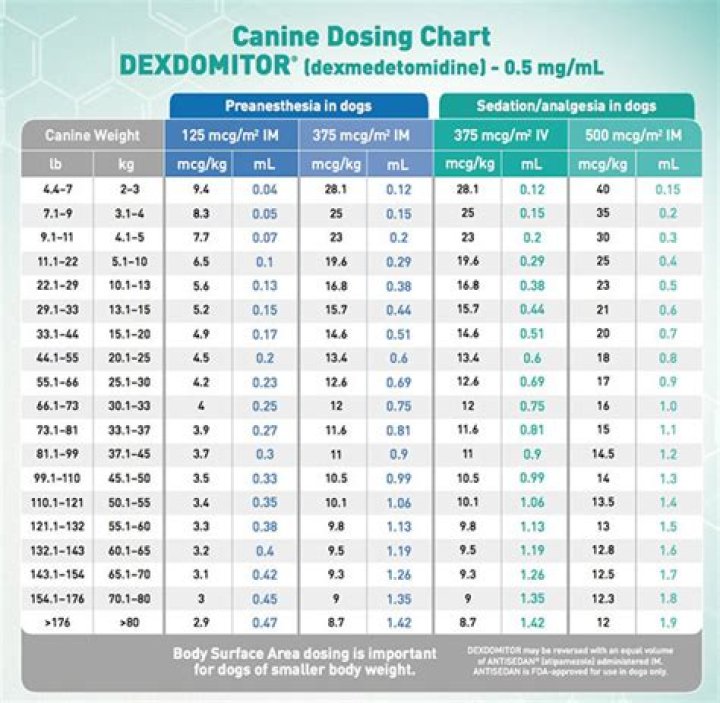
DEXDOMITOR is also indicated for use as a preanesthetic to general anesthesia in dogs. DOSAGE AND ADMINISTRATION: Dogs: DEXDOMITOR produces sedation and analgesia when administered intramuscularly (IM) at a dose of 500 mcg/m2, or intravenously (IV) at a dose of 375 mcg/m2.
How does dexmedetomidine cause sedation?
Dexmedetomidine works at α2-receptors both peripherally and centrally; however, the sedative and anxiolytic effects of the drug are mediated through stimulation of central α2-receptors. Activation of these receptors attenuates central nervous system excitation, especially in the locus coeruleus.
Does precedex cause respiratory depression?
Dexmedetomidine is safe to use in extubated spontaneous breathing intensive care patients and does not cause clinically significant respiratory depression.
How does dexmedetomidine decrease pain?
The analgesic mechanism of dexmedetomidine Alpha-2 adrenergic receptors also act on the presynaptic membrane, inhibiting the release of norepinephrine, which in turn induces hyperpolarization and inhibits the pain signals to the brain.
Does Dexdomitor cause vasodilation?
In patients, dexmedetomidine causes a biphasic response after intravenous administration; there is an initial vasoconstriction, followed by delayed vasodilation.
Does Dexdomitor cause low blood pressure?
Despite the potential clinical benefits, dexmedetomidine is associated with alterations in hemodynamic stability. By agonizing presynaptic α-2a receptors, dexmedetomidine produces sedation by decreasing plasma norepinephrine concentrations and may result in clinically significant bradycardia and hypotension.
Can you give Dexdomitor sq?
Conclusions: Dexmedetomidine is relatively rapidly and efficiently absorbed after SC administration. Subcutaneous dexmedetomidine may be a feasible alternative in palliative sedation, and causes attenuated cardiovascular effects compared to IV administration.
How does precedex make you feel?
The most common adverse reactions to dexmedetomidine are hypertension, hypotension, nausea, bradycardia, hypoxia, and anemia.
What is ANTISEDAN dog?
ANTISEDAN (atipamezole) is indicated for the reversal of the sedative and analgesic effects of DEXDOMITOR ® (dexmedetomidine hydrochloride) and DEXDOMITOR ® 0.1 (dexmedetomidine hydrochloride). ANTISEDAN is an α2-antagonist that competitively inhibits α2-adrenergic receptors.
Is Buprenorphine safe for dogs?
Buprenorphine should be used cautiously in pets with low thyroid levels, liver disease, bile disease, heart and/or lung disease, kidney disease, Addison’s disease, or in very young, very old, or debilitated pets. It should be used with extreme caution in pets with head trauma or other nervous system dysfunction.
Can versed affect heart rate?
Heart rate (HR) and arterial blood pressure (BP) changes have been reported during conscious sedation with propofol and midazolam. One potential mechanism to explain these changes is that propofol and midazolam affect HR and BP via changes in the cardiac autonomic nervous system.
What is the generic name for Dexdomitor?
Clinical dataTrade namesPrecedex, Dexdor, Dexdomitor, SileoAHFS/Drugs.comMonographLicense dataEU EMA: by INN US DailyMed: DexmedetomidinePregnancy categoryAU : B1
What are side effects of propofol?
Tell your doctor right away if you have chest pain or discomfort, confusion, dark-colored urine, dizziness, drowsiness, lightheadedness, fainting, fever, muscle cramps, spasms, pain, or stiffness, nausea, right upper abdominal or stomach pain and fullness, slow or irregular heartbeat, trouble breathing, stomach cramps, …
What is midazolam used for in dogs?
Midazolam, a benzodiazepine, is commonly used as a pre-anesthetic agent to provide sedation and muscle relaxation in dogs (1,2).
How does isoflurane work in the body?
Isoflurane is a general inhalation anesthetic used for induction and maintenance of general anesthesia. It induces muscle relaxation and reduces pains sensitivity by altering tissue excitability.
Can precedex be absorbed through skin?
Published reports indicate that dexmedetomidine may be absorbed through intact skin. Avoid liquid aerosol generation and skin contact.
What happens if you give too much Antisedan?
Signs of overdose were dose-related and consistent with those expected in non-sedated dogs having received a stimulant. Signs seen at elevated doses included excitement, panting, trembling, vomiting, soft or liquid feces or vasodilation (injection) of the sclera.
Can Antisedan be given subcutaneous?
Clinically, the IM or subcutaneous administration of atipamezole produces rapid uneventful recovery from α2-agonist sedation and respiratory depression without significant untoward effects.
How do you give Antisedan?
DOSAGE AND ADMINISTRATION: ANTISEDAN is administered intramuscularly (IM) for reversal of sedation and analgesia regardless of the route used for DEXDOMITOR or DOMITOR. The atipamezole dose for the reversal of IV DEXDOMITOR or DOMITOR is 3750 mcg/m2.